
Wildlife
Lion Country Is a Landscape, Not a Close-Up
A lion sighting is not only the animal. It is grass, wind, prey, distance and patience.
The most useful way to look at lion country is not always through the tightest frame.
Habitat tells the story
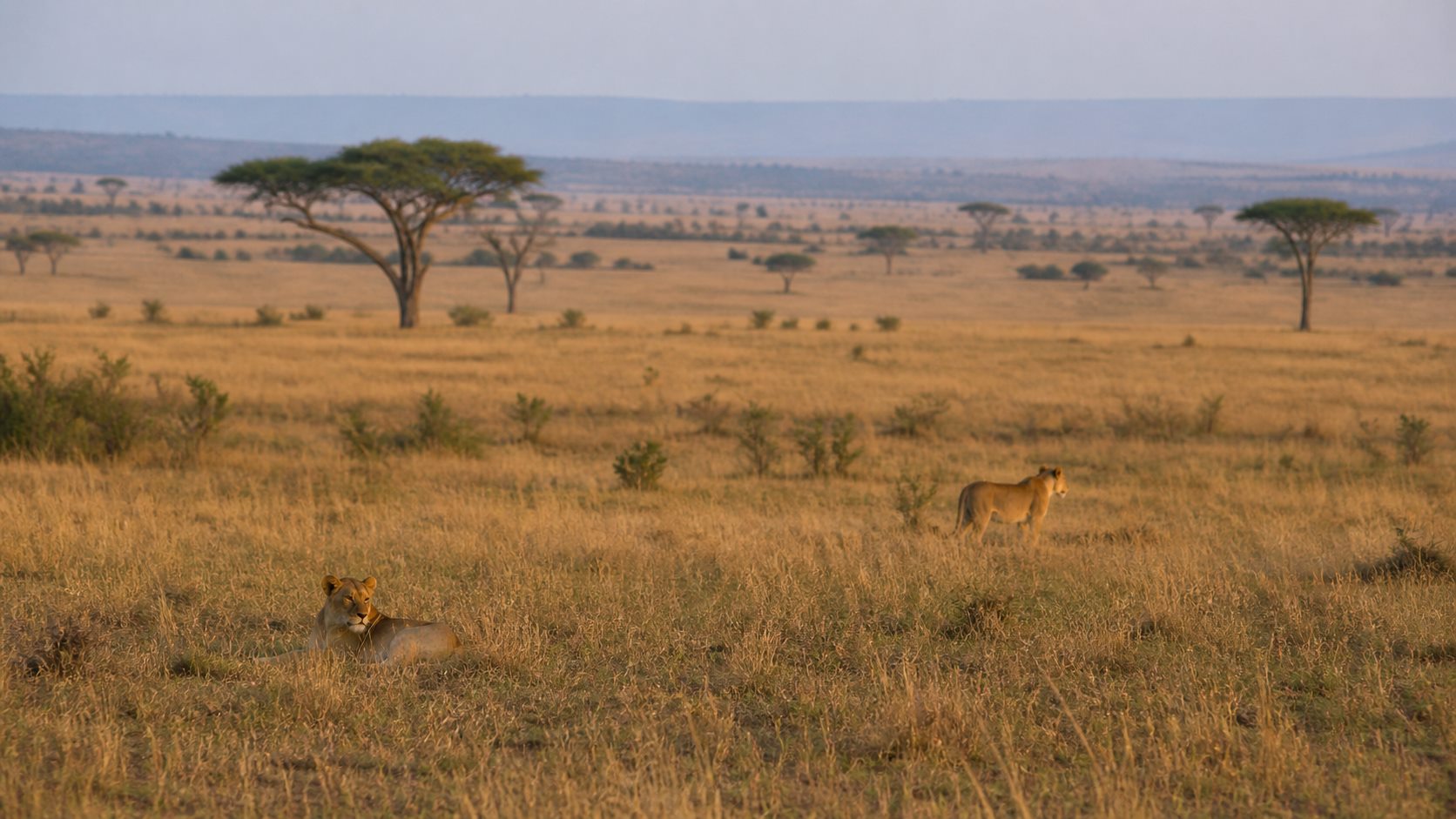
A lioness moving through grass carries more information than a cropped portrait can show. The height of the grass, the position of wildebeest, the shade line, the vehicle distance and the direction of her attention all matter.
The Mara is predator country because of the whole landscape, not because one animal appears alone in a photograph.
Wildlife
Guides read more than the animal
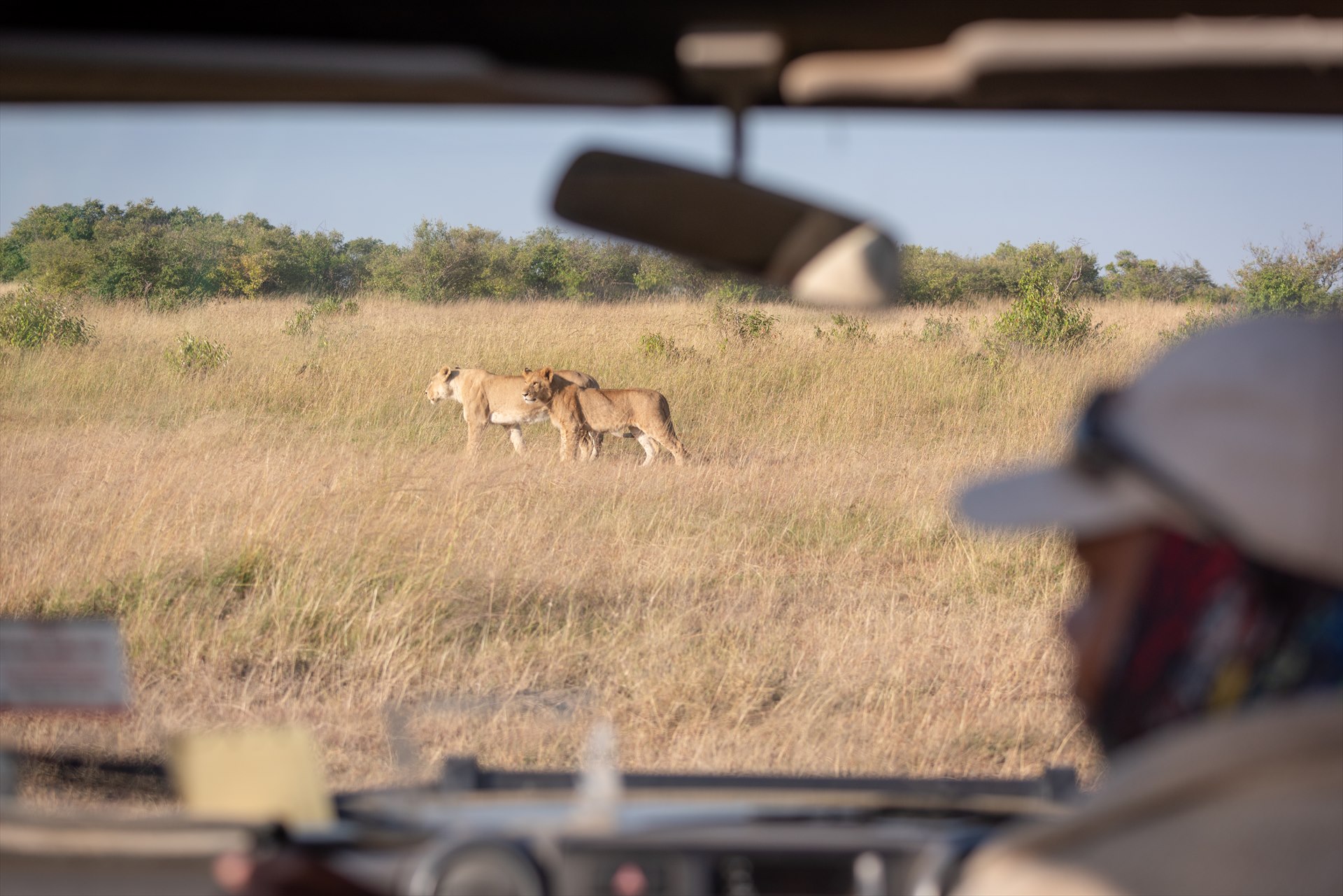
A good guide is not only looking for lions. They are reading tracks, alarm calls, prey behaviour, weather, road position and the mood of other vehicles nearby.
That craft can make a sighting calmer. It can also mean waiting, leaving space or deciding that the better experience is not the closest possible view.
Lion country is made of more than lions.
Photography with context
For photographers, the wider frame is often the more honest one. It shows the animal inside the country that makes the encounter possible.
The wildlife guide covers the broader cast of the Mara. This article is about why a predator sighting becomes stronger when the landscape remains in the picture.
Why distance can improve the sighting
Distance gives context. It shows whether a lion is resting, hunting, moving between shade and open ground, or watching prey that the traveller might otherwise miss.
It also changes the behaviour of the vehicle. A calmer position can let the sighting unfold without turning the moment into a scramble for the closest possible angle.
The photograph should tell the truth
A tight portrait can be beautiful, but it can also strip away the information that makes the Mara itself visible. Grass height, vehicle distance, prey movement and the line of the horizon all belong to the story.
This is where photography and ethics meet. Leaving habitat in the frame is not only better composition; it is a more honest record of where the animal lives.
Publication note: This article uses the existing Maasai Mara Safari editorial-desk research base and avoids date-specific operational claims that require current private-trip verification.