Mara Guide · Ethics
Conservation & Ethical Safari Practices in the Maasai Mara
Tourism revenue directly funds conservation and community livelihoods across the Mara ecosystem — but only when visitors and operators treat wildlife and local communities with genuine respect. Here's how that works in practice.
How the conservancy model works
Much of the land surrounding the Maasai Mara National Reserve is organised into private conservancies — land owned by individual Maasai landowners who lease it collectively to conservancy management, which then partners with a limited number of camps. Guests pay a conservancy fee per person per night, and that revenue is generally distributed to the landowners as lease payments, alongside funding conservancy management, security (including anti-poaching patrols) and habitat protection.
This model gives Maasai landowners a direct, ongoing financial incentive to keep the land as wildlife habitat rather than converting it to agriculture or unmanaged grazing — which is a large part of why conservancy areas have maintained healthy wildlife populations. It also caps the number of camps and vehicles permitted per conservancy, which is why conservancies typically offer a lower-density experience than the main reserve.
The reserve itself (managed separately by county authorities) charges its own entry fees, which fund reserve management, ranger operations and infrastructure. See our park fees guide for current, indicative fee structures.
Responsible wildlife viewing
Ethical wildlife viewing isn't just etiquette — it protects the wildlife experience for future visitors and reduces stress on animals. Norms widely followed by reputable guides and camps include:
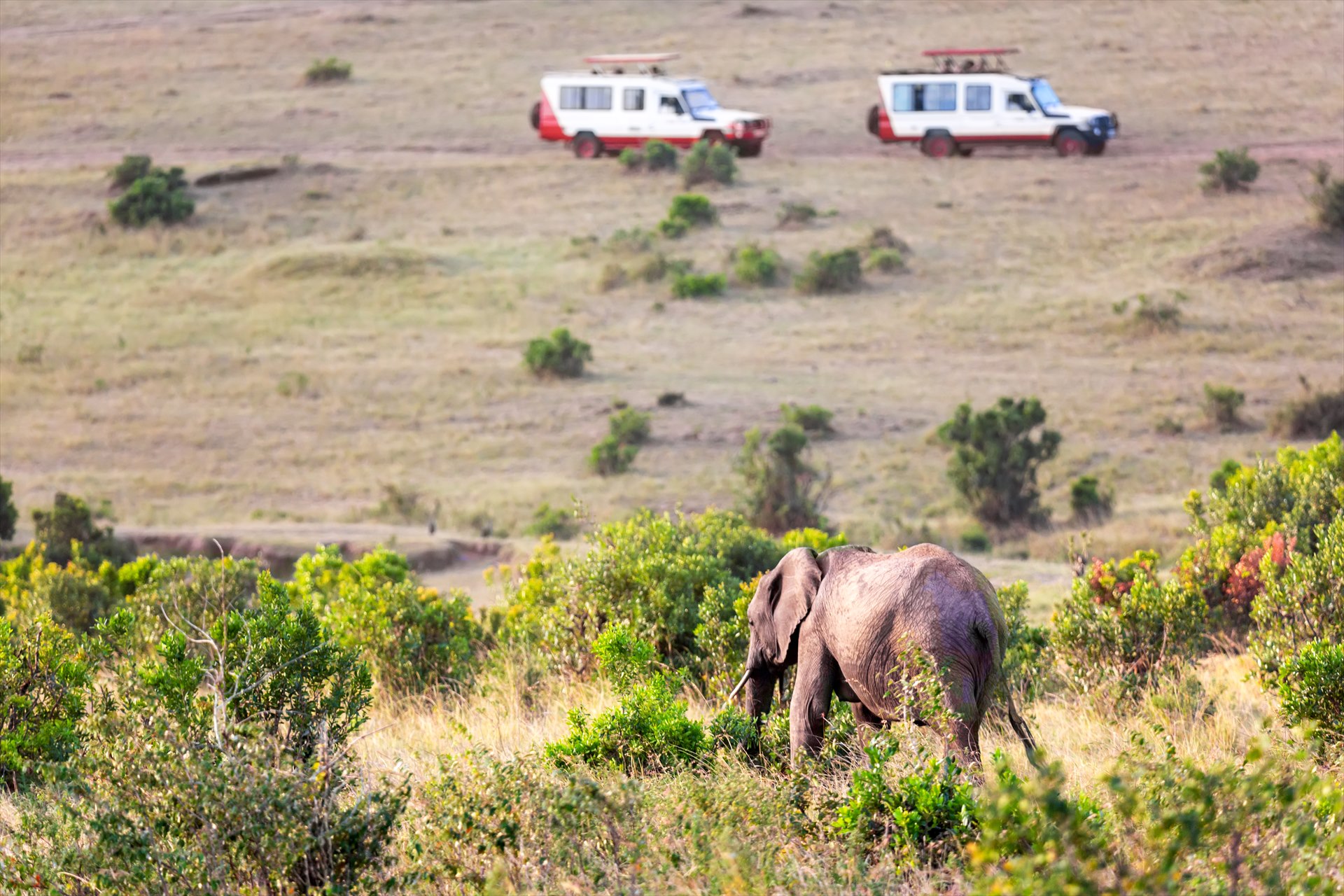
- Maintaining distance. Vehicles keep back from animals rather than crowding them, and avoid positioning that blocks an animal's route or escape path.
- Limiting vehicle numbers at a sighting. Especially in conservancies, informal (and sometimes formal) caps limit how many vehicles gather at one sighting at a time.
- Restricting off-road driving. Where allowed at all (mainly in conservancies, rarely in the main reserve), off-road driving is used sparingly and follows conservancy guidelines designed to limit habitat disturbance.
- No feeding or provoking wildlife. Reputable guides never bait, feed or deliberately provoke an animal for a better view or photograph.
- Quiet, calm behaviour near sensitive sightings. Particularly around a hunt, a den with young, or a resting predator, guides ask guests to keep noise and movement to a minimum.
"This model gives Maasai landowners a direct, ongoing financial incentive to keep the land as wildlife habitat rather than converting it to agriculture or unmanaged grazing."
How the Conservancy Model Works
Reducing plastic and waste
Many Mara camps, particularly in the conservancies, have adopted waste-minimisation practices: reusable water bottles or filtered water stations instead of single-use plastic, composting or careful waste management given the remote location, and solar power to reduce generator reliance. Bringing a reusable water bottle and minimising single-use plastics in your own luggage supports these efforts.
Visiting Maasai communities respectfully
Many itineraries include an optional visit to a Maasai village (manyatta). Done well, this can be a genuinely valuable cultural exchange; done carelessly, it reduces a living culture to a photo backdrop. A few principles matter:
- Consent matters, always. Ask before photographing individuals, and accept "no" without argument. A village visit is an invitation into people's homes and daily life, not a performance staged purely for tourists.
- Understand what you're paying for. Village visits often involve a fee that goes to the community — ask your guide how this is structured, since arrangements vary.
- Engage, don't just observe. Asking genuine questions and listening is more respectful than treating the visit as a photo opportunity to check off.
- Recognise this is a living culture, not a museum exhibit. Maasai communities are contemporary people navigating modern life alongside traditional practices — avoid framing the visit as a glimpse of something "frozen in time."
Not every itinerary includes a village visit
If a cultural visit matters to you, mention it when planning — it can usually be arranged, but should never feel like a default add-on you didn't ask for.
For how this connects to the safari itself, see our wildlife guide for viewing norms, and our About & Trust page for more on how we work.
Reviewed August 2026 — conservancy fee structures and community arrangements vary by area and can change; confirm current details with our team.
FAQ
Common questions about conservation and ethics
Where does conservancy fee money actually go?
Generally, conservancy fees fund lease payments to the Maasai landowners whose land forms the conservancy, plus conservancy management, security and habitat protection. Exact allocation varies by conservancy — ask your guide or camp for specifics if you'd like more detail.
Is it okay to photograph Maasai people during a village visit?
Always ask individuals before photographing them, and respect a "no." Village visits are typically arranged with community consent for the visit generally, but individual photo consent is separate and should always be sought directly.
Why do conservancies limit the number of vehicles at a sighting?
Limiting vehicle density reduces stress on wildlife and preserves the quality of the sighting experience for guests. It's a defining difference between conservancies and the more heavily visited main reserve, where vehicle numbers aren't as tightly controlled.
Do camps in the Maasai Mara follow environmental sustainability practices?
Many do, particularly in the conservancies — common practices include filtered water stations instead of single-use plastic, solar power, and careful waste management given the remote setting. Practices vary by camp, so ask directly if this matters to your choice.
Should I tip my guide, and does that support conservation too?
Tipping guides and camp staff directly is customary and supports local livelihoods, separate from conservancy fees. Ask our team for current, indicative tipping guidance when planning your trip.
Want a safari planned around responsible travel?
Tell us if conservancy stays, a village visit, or low-impact camps matter to you — we'll shape your itinerary around it.