Mara Guide · Photography
Maasai Mara Photography Guide
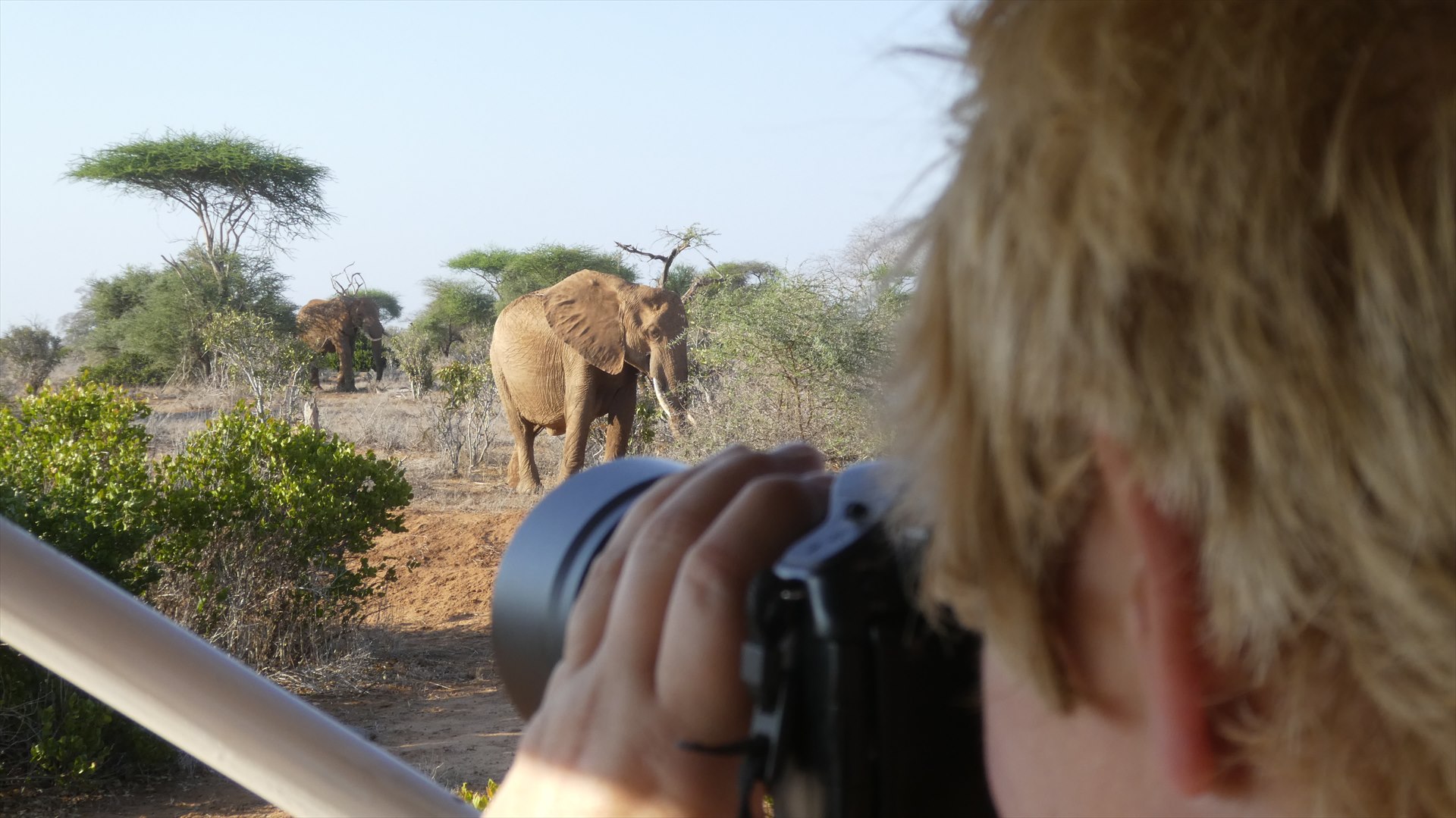
Good safari photography is mostly about light, positioning and patience — not just having the biggest lens. Here's practical guidance on all three, plus how to keep your gear working in dust and rain.
Best light: when to shoot
The hour after sunrise and the hour before sunset — often called golden hour — gives warm, low-angle light that's flattering on both wildlife and landscape. It's also when animals tend to be more active, since the cooler temperatures suit hunting and movement. This isn't a guarantee of a specific shot; it simply means the light and activity are both working in your favour during these windows.
Midday sun is harsh and high, creating flat light and heavy shadows — most guides use this window for a rest at camp rather than a drive, which works out well for photography too.
Gear guidance
- Zoom lens range: A zoom in the 100-400mm range is commonly recommended as a versatile all-rounder; many serious wildlife photographers favour 200mm+ for reach on distant subjects, with some using 500-600mm primes for frame-filling shots. A shorter wide-angle lens is worth carrying too, for landscape and "animal in its environment" shots.
- Support: A beanbag resting on the vehicle's window ledge or roof is the standard stabiliser for safari photography — tripods are impractical in a moving vehicle. Some vehicles have a window-mount bracket; ask your guide what's available.
- Batteries and storage: Bring more spare batteries and memory cards than you think you'll need. Charging opportunities may be limited depending on your camp (some rely on generator hours or solar power), and long days of shooting drain batteries faster than expected.
- Teleconverters: A 1.4x or 2x teleconverter can extend reach without a second lens, at some cost to autofocus speed and image quality in low light.
- Backup gear: A second camera body, even a basic one, is worth considering for a dedicated photography trip — swapping lenses in a dusty, moving vehicle is not ideal.
On-vehicle etiquette
Good wildlife photography depends on guides being able to position vehicles well and calmly — which depends on photographers respecting a few norms:
- Follow your guide's instructions on vehicle positioning and distance — they're balancing your shot with the animal's welfare and other vehicles' access.
- Don't pressure a guide to move closer than they're comfortable with, or to reposition repeatedly for a "better angle" at an animal's expense.
- Keep noise down, especially near a hunt or a sensitive sighting like a den with young — sudden sound can change animal behaviour.
- Be mindful of other guests in a shared vehicle; a pop-up roof has limited space and everyone deserves a turn at the best angle.
"Good wildlife photography depends on guides being able to position vehicles well and calmly."
On-Vehicle Etiquette
Protecting your gear from dust and rain
The Mara's roads are unpaved, and dust is a genuine camera-gear hazard, especially in dry season (roughly July-October and again January-March). A few practical habits help:
- Keep a rain cover or dry bag on hand — Mara weather, especially in the green season, can shift from dust to sudden showers within an hour.
- Avoid changing lenses in the open vehicle when possible; do it inside a bag or in the enclosed part of the vehicle to limit dust getting onto the sensor.
- Carry a blower and microfiber cloth for regular lens cleaning — dust on the front element softens images noticeably over a multi-day trip.
- A dry-bag or dust-proof case for storage between drives protects gear during transfers and at camp.
Planning a photography-focused trip?
If photography is your main priority, mention it when planning — a longer stay, a private vehicle (rather than shared), and positioning in a conservancy with off-road access can all make a meaningful difference to your shots.
For timing your trip around the best wildlife activity and light, see our best time to visit guide, and for what to pack overall, see the packing guide.
Reviewed August 2026 — gear and etiquette guidance reflects general safari practice and current camp/vehicle setups may vary; confirm specifics with our team.
FAQ
Common photography questions
What lens do I need for Maasai Mara wildlife photography?
A zoom in the 100-400mm range is a versatile starting point, and 200mm+ is commonly recommended for wildlife specifically. Serious photographers often add a longer lens (500mm+) for distant or skittish subjects. A wide-angle lens is also useful for landscapes and environmental shots.
Is a private vehicle worth it for photography?
Yes, generally. A private vehicle lets you dictate pace, positioning and how long to stay at a sighting, without sharing space or compromising with other guests' preferences — a meaningful advantage for serious photography.
What's the best season for Maasai Mara photography?
It depends on your subject. Migration season (roughly July-October) offers dramatic river-crossing and herd shots but dustier conditions and more vehicles. The green season (November-May) offers lush landscapes, dramatic skies and fewer vehicles at sightings, with quieter but still rewarding wildlife photography.
How do I protect my camera gear from dust on safari?
Minimise lens changes in the open vehicle, carry a blower and microfiber cloth for regular cleaning, and store gear in a dust-proof bag or case between drives. A rain cover is also worth carrying, since weather can shift quickly.
Will my guide let me ask them to get closer to an animal for a photo?
Guides position vehicles based on safety, park/conservancy rules and the animal's welfare, not purely on getting the closest possible shot. Respecting their judgment is part of responsible wildlife photography — see our ethics guide.
Planning a photography-focused safari?
Tell us about your gear, priorities and preferred pace — we'll help shape an itinerary and vehicle setup suited to serious photography.