
Seasons
September or October in the Maasai Mara?
September still belongs to the height of the season. October begins to loosen its grip.
September and October are both strong safari months, but they ask for different expectations.
September: still in the main current
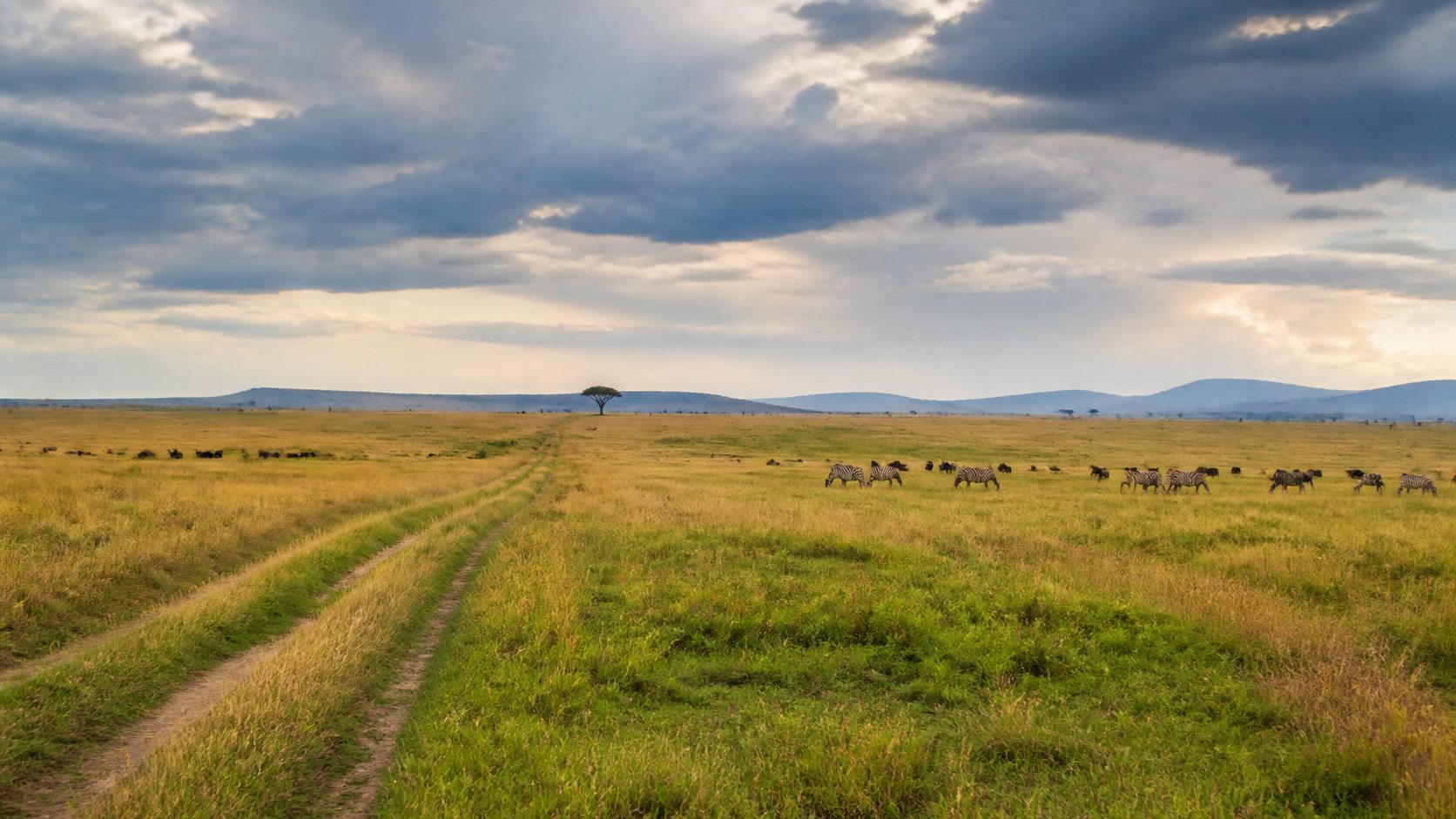
September usually keeps much of the dry-season clarity and migration-season demand. The plains can feel open, vehicles are active early and late, and river-country planning still matters for many itineraries.
It is a good month for travellers who want the Mara in a classic high-season mood but prefer the later side of the peak over the August centre.
Seasons
October: the season begins to turn
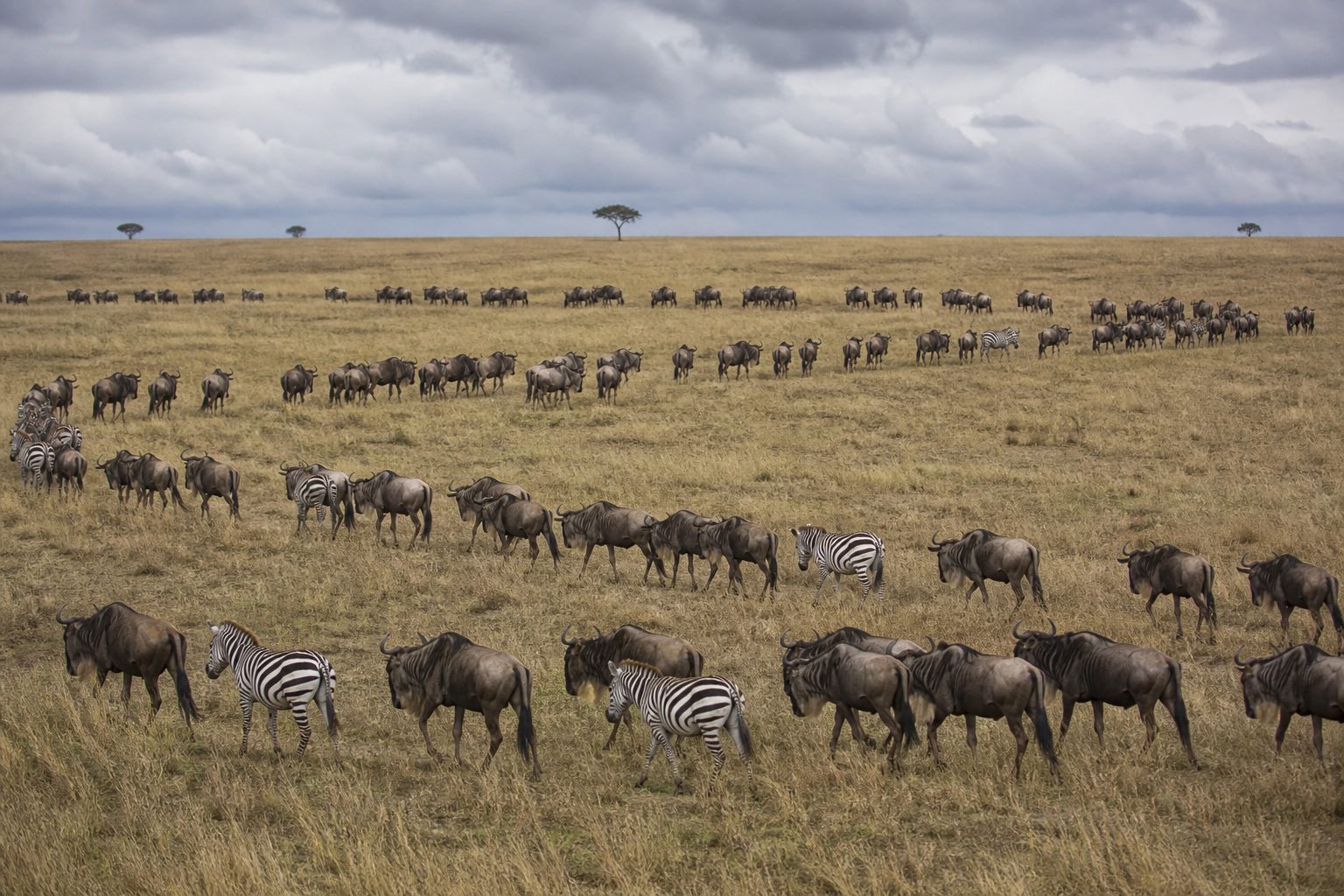
By October, the safari can feel more transitional. Some herds may already be moving south; local wildlife remains strong, and the first hints of short-rain change can begin to alter the look and texture of the plains.
The result can be rewarding for travellers who want late-season atmosphere without needing the whole trip to depend on one migration idea.
September holds the season. October starts to release it.
A late-season choice
Choose September for a stronger peak-season profile. Choose October if you like the idea of the Mara after the most compressed part of the season, with weather and movement beginning to shift.
For a broader timing decision, read the best-time guide first, then use this article to choose the late-season edge.
What changes in the feel of the plains
By September the Mara can still feel firmly in dry-season mode. Dust, open grass and earlier starts remain part of the daily pattern, and the country often feels visually spare in a way that suits long views.
October can bring a softer edge. Not everywhere, not every year, and not on a timetable a traveller can control. But the season begins to suggest change: cloud, heat, the possibility of rain and a safari less tightly defined by peak-month language.
How long to stay
A short trip in September usually needs careful area choice because demand is still strong. In October, an extra night can be valuable for a different reason: it gives the itinerary room to work around weather and lets the trip feel less dependent on a single migration idea.
Publication note: This article uses the existing Maasai Mara Safari editorial-desk research base and avoids date-specific operational claims that require current private-trip verification.