
Seasons
After the Peak: The Maasai Mara in Late October and November
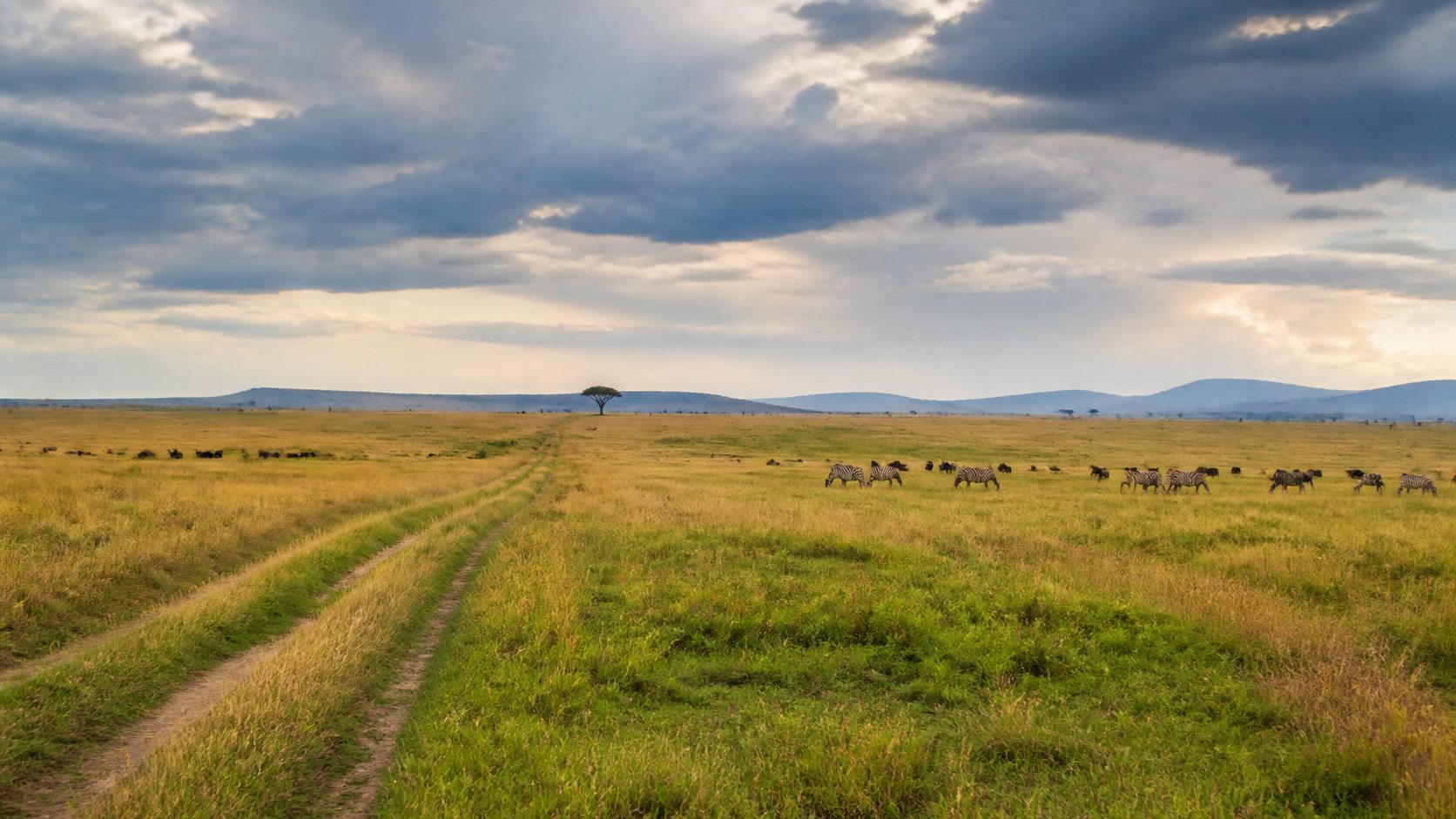
After the busiest migration months, the Mara begins to change colour again.
Late October and November are not simply the end of something. They are a transition into a different Mara.
The pressure comes off
As the peak migration season loosens, the safari can feel less compressed. The trip is less likely to revolve around one river-country idea, and resident wildlife returns to the centre of the story.
For some travellers, that is the appeal: fewer peak-season expectations and more attention to the land itself.
Seasons
Rain begins to matter again
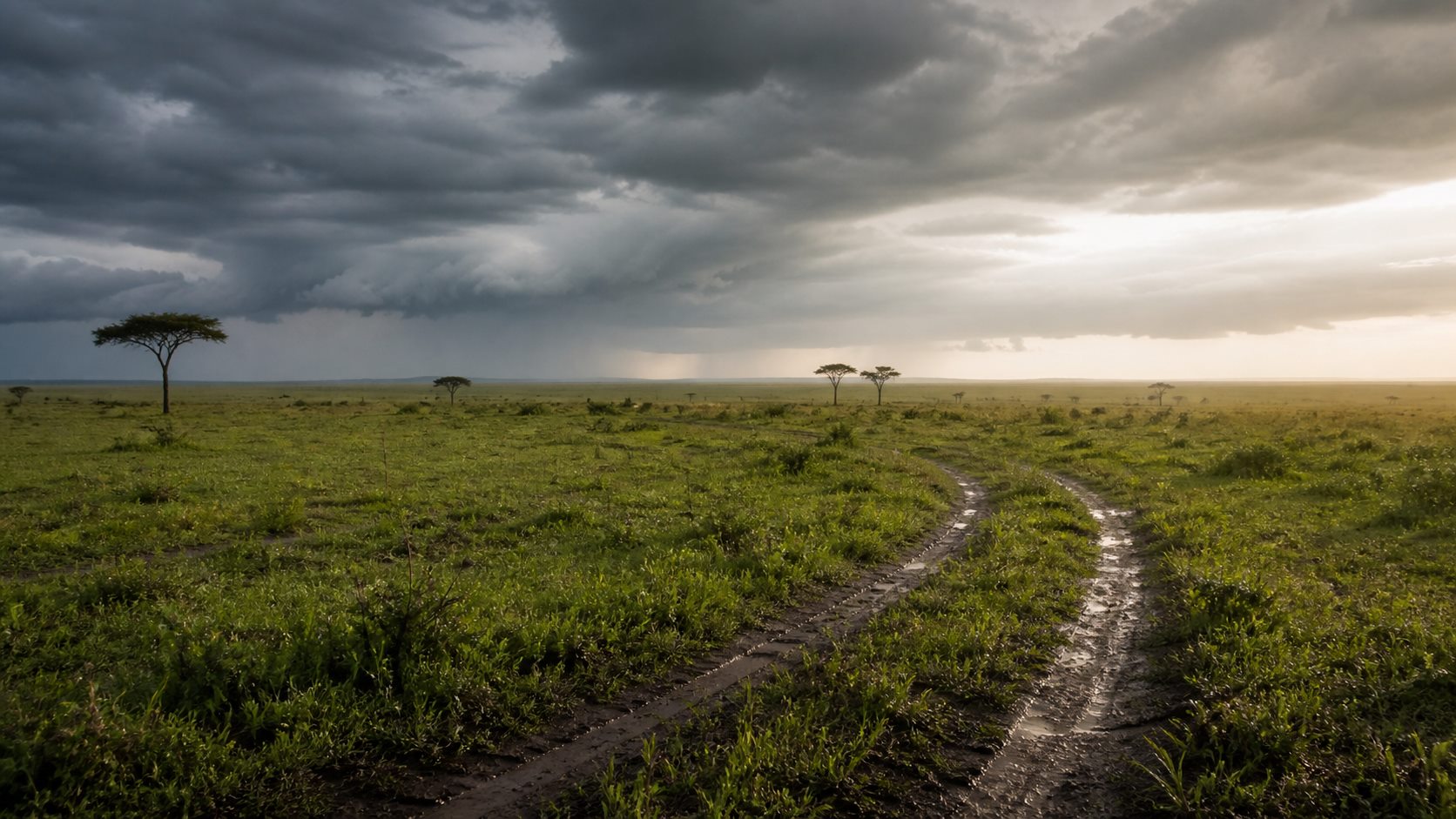
The short rains can begin to change the look of the plains. Tracks may darken, skies become more active and grass starts to take on new life in places.
This does not make the month universally easy or difficult. It means the safari should be planned with weather in mind, especially for road movement and photography.
After the peak, attention returns to the whole landscape.
Who should consider it
Late October and November can suit travellers who want a quieter safari mood and are open to a more seasonal landscape. It is less suitable for anyone whose whole trip depends on peak migration concentration.
Read the outside-migration guide for the broader case, then use this story to understand the post-peak edge.
A safari less ruled by one headline
One of the gifts of this period is that the safari can become less crowded by a single expectation. The question is not only whether the great herds are still where a traveller hopes they will be.
There is more room to notice resident wildlife, camp life, birds, changing skies and the difference between a dry track in the morning and a rain-darkened one later in the day.
Where caution belongs
It is still important to be plain about the practical side. Rain can affect roads, and exact wildlife movement should not be promised from the public page.
But that caution does not need to flatten the appeal of the season. Late October and November can be beautiful precisely because the Mara is no longer performing the peak-season version of itself.
Publication note: This article uses the existing Maasai Mara Safari editorial-desk research base and avoids date-specific operational claims that require current private-trip verification.