
Weather
Maasai Mara Weather by Season
Warm days, cold early mornings, and two distinct rainy periods — the Mara's highland climate shapes packing, road conditions and photography light more than most travellers expect.
Reviewed August 2026.
The general pattern
The Maasai Mara sits at a relatively high elevation on the East African plateau, which keeps daytime temperatures pleasantly warm rather than tropically hot most of the year, while early mornings and nights are noticeably cool to cold. There are two main rainy periods — the long rains around April–May and the short rains around November — separated by longer dry stretches. This is a general climate pattern, not a forecast for your specific dates; conditions vary year to year.
Seasonal overview
| Period | Typical daytime temps | Typical early-morning temps | Rainfall pattern |
|---|---|---|---|
| Long rains (Apr–May) | Warm, around low-to-mid 20s°C | Cool, sometimes low double digits °C | Heaviest and most sustained rainfall of the year |
| Dry season (Jun–Oct) | Warm to mild, generally comfortable | Cold, often near or just above 10°C on game drives | Minimal rainfall, clear skies typical |
| Short rains (Nov) | Warm | Cool | Short, sharp afternoon or evening showers |
| Dry-ish season (Dec–Mar) | Warm, some of the year's hottest afternoons | Mild to cool | Mostly dry with occasional brief showers |
Figures describe general highland East African climate patterns and are indicative, not a forecast — actual conditions on your travel dates can vary.
"Figures describe general highland East African climate patterns and are indicative, not a forecast."
Seasonal Overview
Why the cold mornings surprise people
Game drives commonly start before or around sunrise, in an open-sided 4x4, at altitude — a combination that catches many first-time visitors off guard even during the "hot" months. Layering is the practical solution; see our packing guide for specifics.
How weather affects your trip
- Roads: Heavy rain, especially during the April–May long rains, can make some unpaved reserve and conservancy roads slower or temporarily difficult, particularly for road transfers and off-road driving.
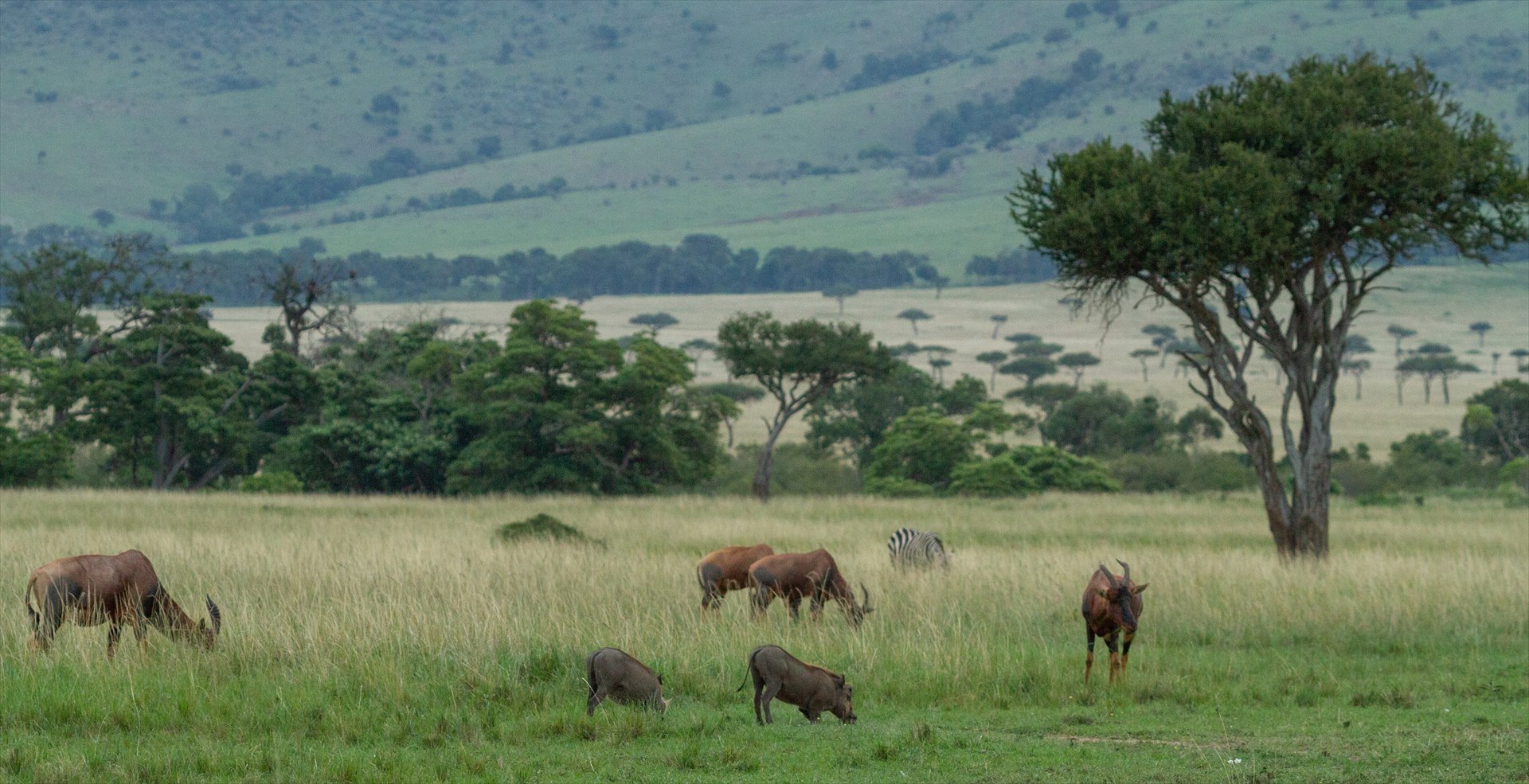
- Photography light: The green season (roughly December–May) often produces dramatic skies and softer, more textured light than the dustier peak dry months, alongside lush landscapes.
- Comfort: Dust is more noticeable in the driest months (especially August–October); mud and humidity are more of a factor in the rains.
- Wildlife visibility: Drier conditions thin out vegetation, generally making animals easier to spot; greener conditions can mean more cover but also more newborn animals and dramatic scenery.
Weather is one part of the seasonal picture
For the full picture — including migration timing, crowds and cost by season — see our best time to visit guide.
Plan Around the SeasonFrequently asked questions
Why are mornings so cold if it's a hot country?
The Mara sits at a relatively high elevation, and open-sided game vehicles offer no wind protection before sunrise. It's a genuine cold-to-mild experience even during the warmest months, which is why layering matters.
Does rain mean I should avoid travelling in April or May?
Not necessarily — it depends on your priorities. Rates are lowest, landscapes are lush, and wildlife is still present, but roads can be harder going and a few camps close for maintenance. See our timing guide for the full balance.
Is the dry season always completely rain-free?
Not entirely — occasional light showers can still occur, but the dry months (roughly June to October) are reliably the driest and dustiest stretch of the year overall.
What should I pack for these temperature swings?
Wear layers — a warm top layer for dawn drives that you can remove as the day heats up. See our full packing guide for a complete list.
Related reading
Ready to plan around the season that suits you?
Share your travel dates — we'll turn them into a clear, pre-filled WhatsApp message to our team.