Seasons
The Green Mara: January and February on the Plains
The migration may be elsewhere, but the Mara has not gone quiet. The grass returns, the sky opens and the day takes on another rhythm.
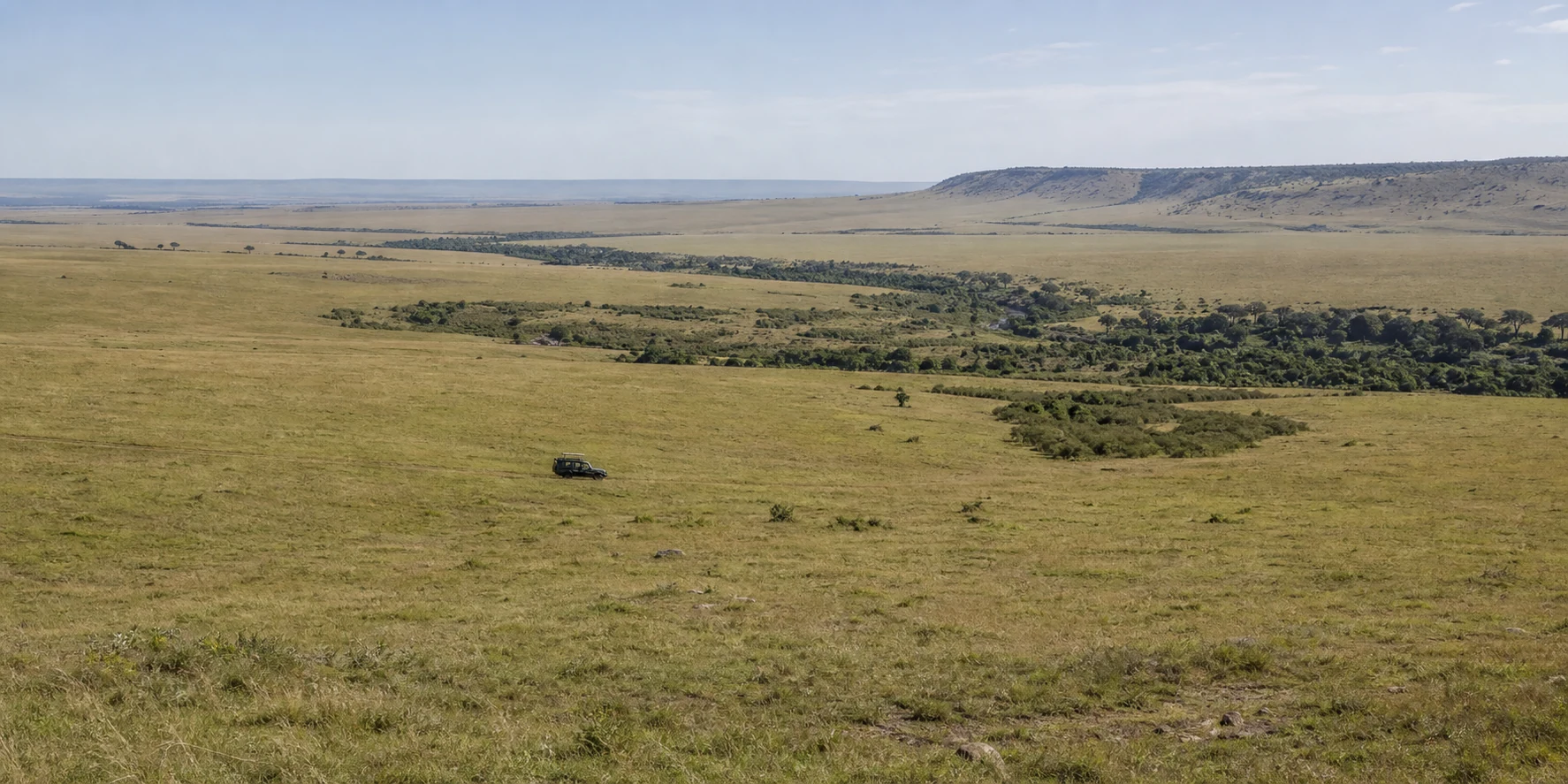
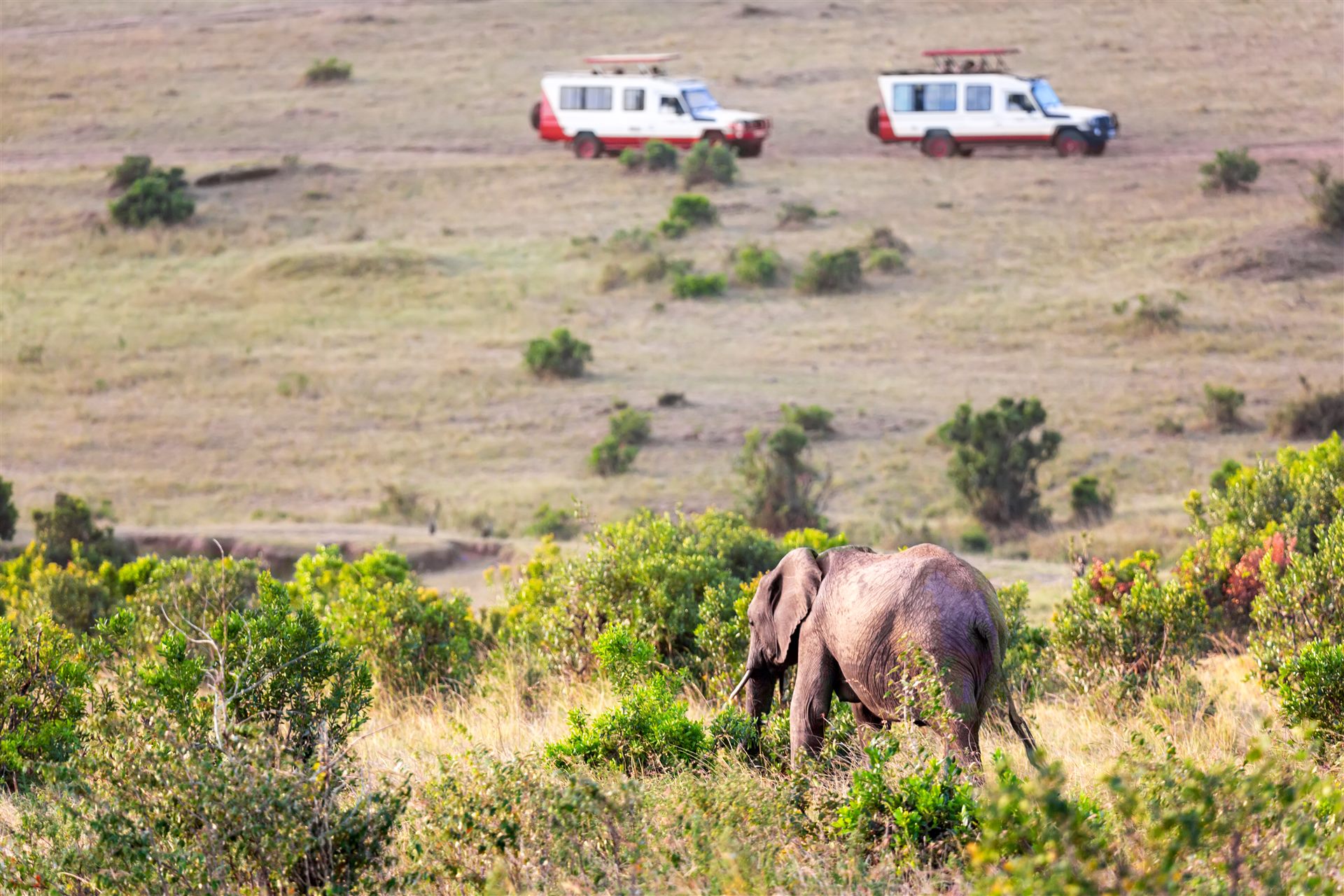
In January and February, the Maasai Mara is not waiting for the next spectacle. It is already moving: grass lifting after rain, clouds gathering at the far edge of the plains, resident animals settling into a landscape with more colour in it.
The famous herds that define the northern migration season are generally elsewhere in the wider Serengeti–Mara ecosystem at this point in the year. That changes the scale of the safari, not its substance. The Mara remains a powerful wildlife landscape, with predators, elephants, giraffes, buffalo and plains game part of the daily possibility. What falls away is the pressure to keep one eye on a single river or a single piece of news.
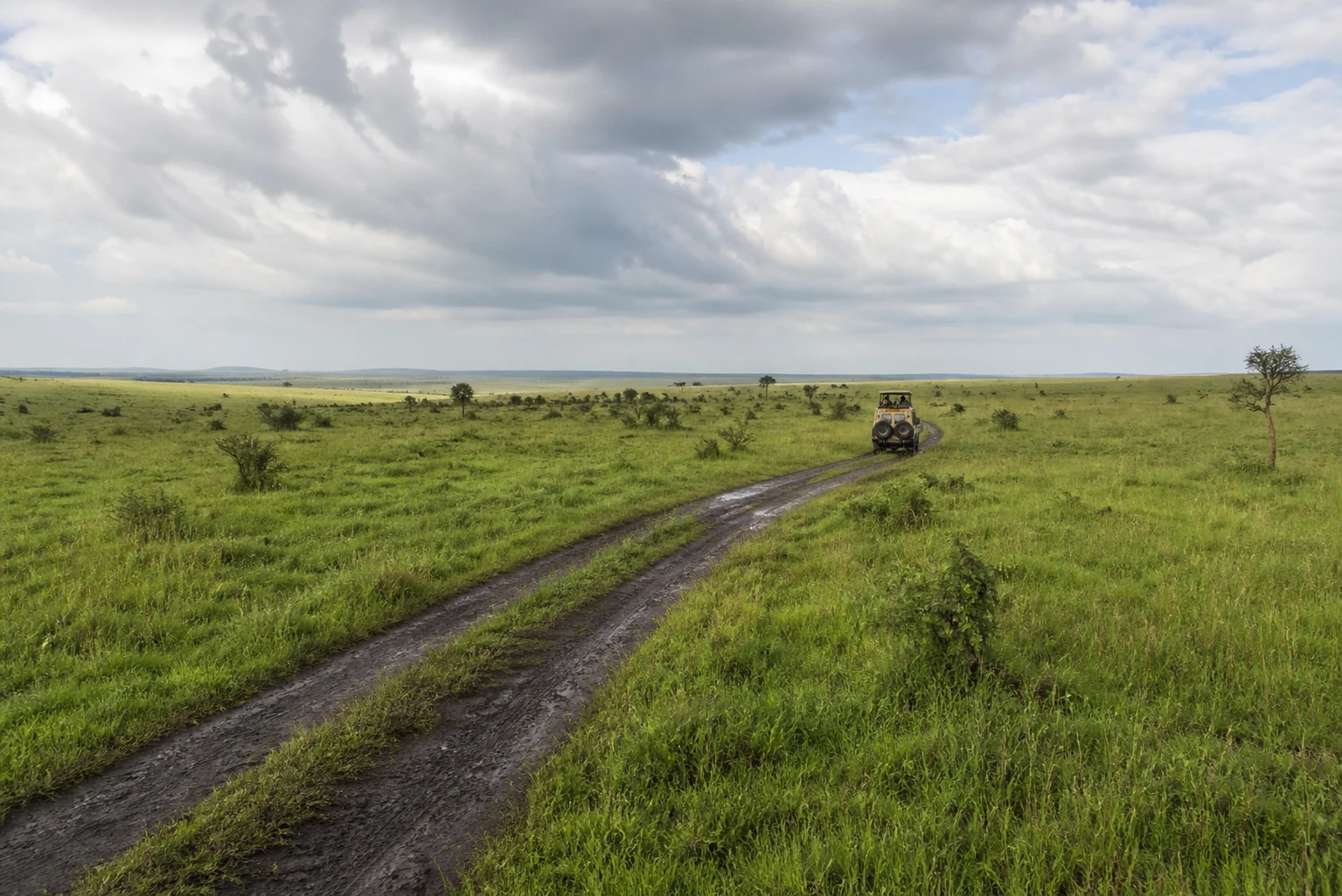
A drive can be allowed to take its time. A guide may pause because the behaviour of antelope ahead has changed, because a bird has appeared in a thicket, or simply because the light has briefly broken through a wet sky.
When the plains have room to breathe
The green season has a clarity of its own. New grass changes the ground colour; rain can leave tracks dark and reflective; large skies become part of the view rather than empty space above it. It is a different palette from the dustier, busier dry months, and for photographers that can be reason enough to look beyond the classic migration calendar.
January and February are often drier than the long-rains months that follow, though showers and weather patterns can still shape a day. Pack a light layer for the early drive and something easy to reach when a shower passes through. By midday, the same vehicle can feel entirely different.
Resident life
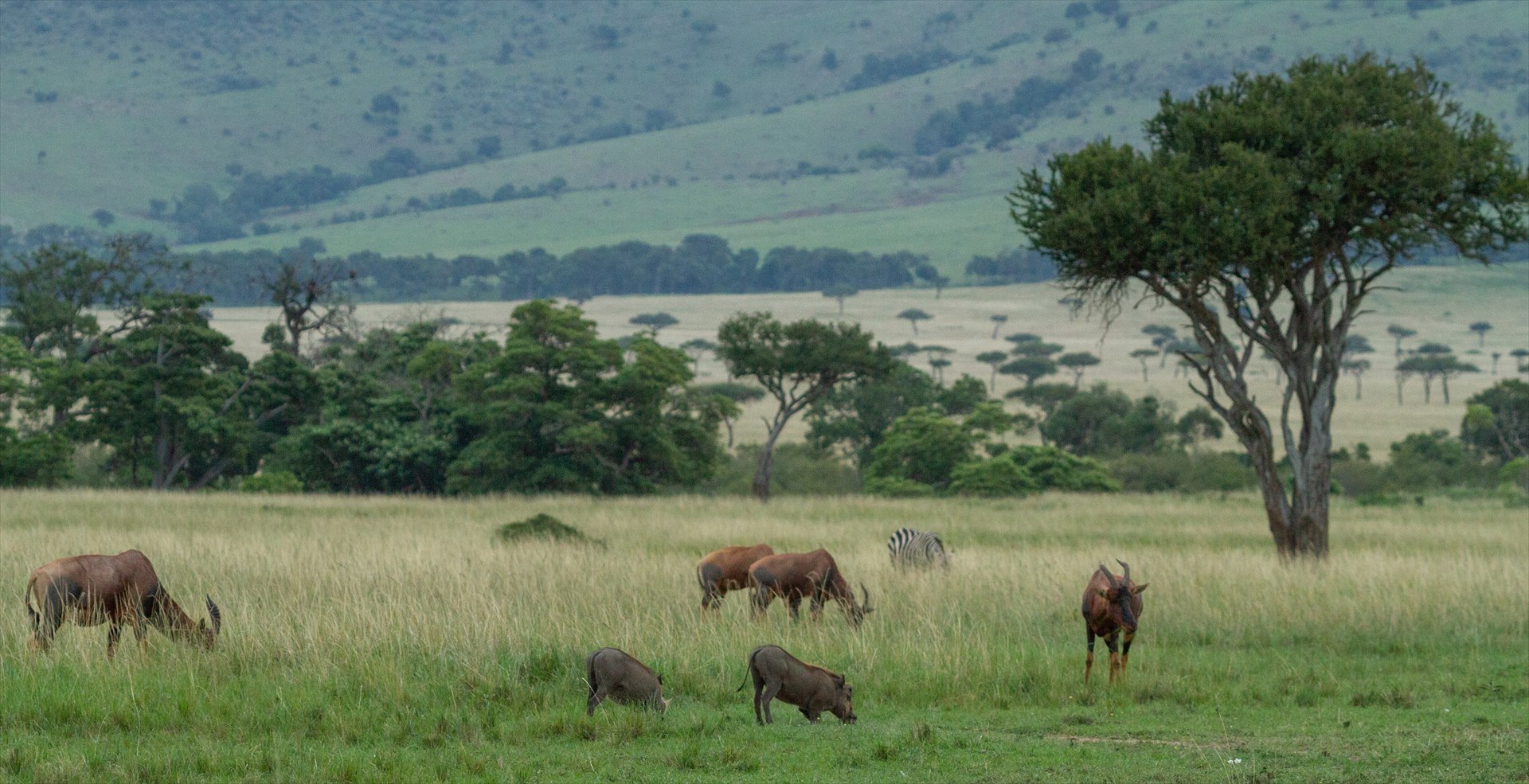
Wildlife on the green plains
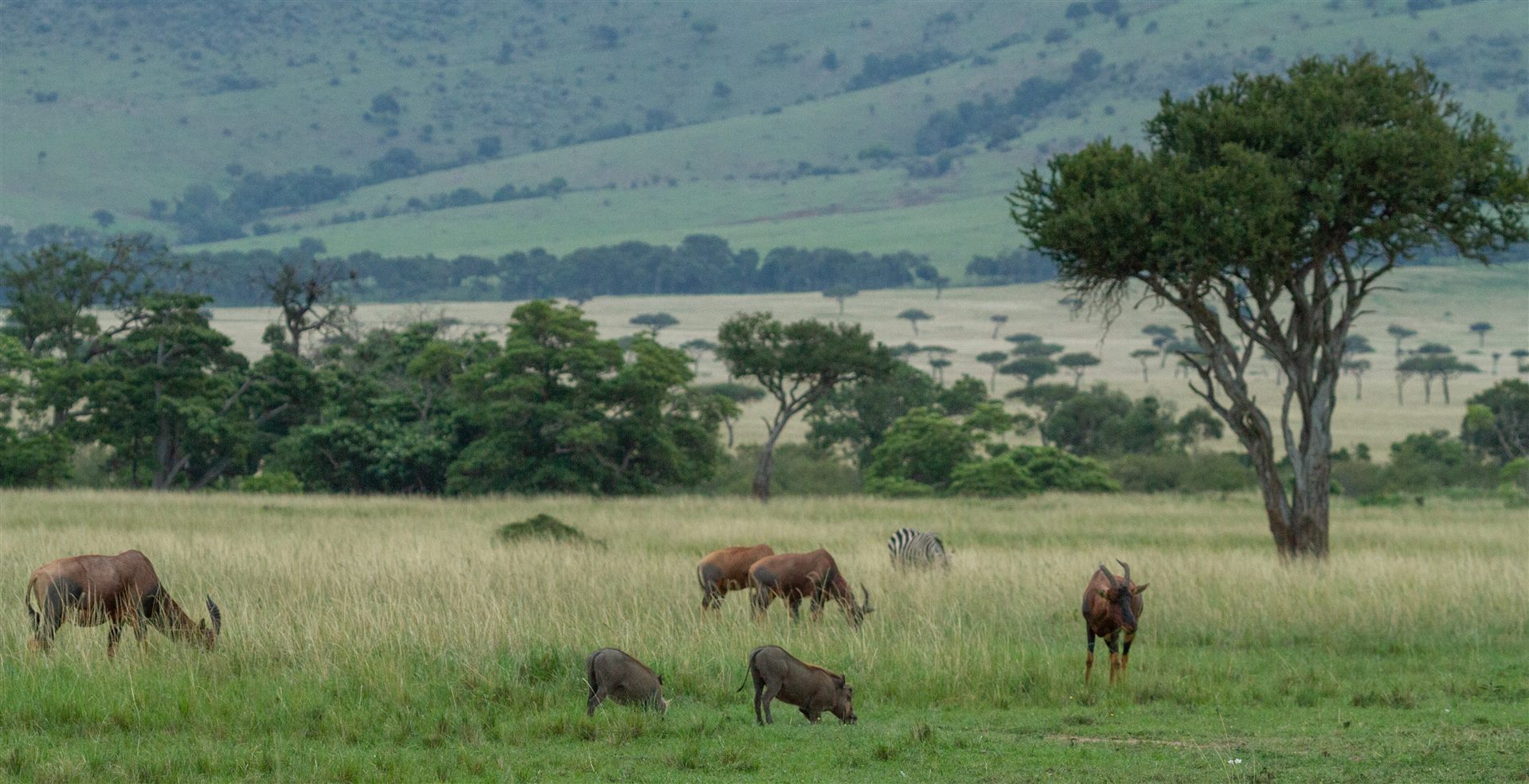
Resident wildlife is the constant thread. A safari in these months is still made in the familiar way: early starts, patient looking, a guide reading what is in front of the vehicle, and long pauses when the land asks for them.
Birdlife also comes forward when the story is not focused entirely on migrating herds. The wider birdwatching guide gives the fuller picture; on a green-season drive, it is enough to keep noticing the smaller movement at the edge of the scene.
The green season is not an off-season version of the Mara. It is another way of seeing the same place.
January and February in the Mara
Light
Broken cloud and fresh colour can lend the landscape more depth than a uniformly clear day.
Rhythm
Without peak-season focus on the northern migration, the day can follow the wider landscape.
Preparation
Cool pre-dawn starts, sun and the chance of rain can all belong to the same day.
A different kind of attention
Less emphasis on a single seasonal drama can make space for the details that form a safari anyway: a vehicle leaving camp before the horizon has lightened, a coffee taken quickly while layers go on, the call of birds in a camp clearing, the long return through grass after the sun has dropped.
That does not make January or February a substitute for a migration trip. It is simply a different invitation. Anyone planning dates across the year can place these months alongside the broader Maasai Mara timing guide, the usual weather patterns and the case for travelling outside the migration season.
Season note. Weather and wildlife movement vary from year to year. This article describes the broad January–February character of the Mara rather than a forecast or a promise of any particular sighting.